salmonkasilof, Alaska
Charter
kasilof, Alaska
Outgoing Angling
5(40 · TripAdvisor)
salmontrout
Kenai and Kasilof river guide service running drift-boat, spey, and fly trips for salmon, trout, and steelhead with a teaching bent.
View full details →Species Guide
A catch-and-release steelhead river hiding behind a better-known salmon fishery
Kasilof sits on the lower Kenai Peninsula where the Kasilof River, a glacial river draining Tustumena Lake, meets Cook Inlet. Most visitors know it for king and sockeye salmon, but the river carries a quieter second identity: rainbow trout and Dolly Varden through the season, and a genuine fall steelhead run that stretches into November after the salmon crowds go home.
One rule defines this fishery before anything else: the Kasilof River is catch-and-release only for rainbow and steelhead trout, and the fish may not be removed from the water. If you want a trout photo here, it happens boat-side. Gear and season rules on this river are detailed and change year to year.
The Kasilof's trout program has three pieces. Rainbow trout and Dolly Varden are present through the season, fishing best in the upper river near Tustumena Lake, with late summer and early fall the standout window. Dolly Varden begin their spring migration in May and make a fine light-tackle target throughout the drainage. Then there's the steelhead run: fall fish arrive as early as late August and continue into November, with bright fish showing in late September and the strongest action in October.
Local guide operations, including Kasilof-based outfits and Kenai Peninsula services that run both rivers, fish trout alongside their salmon programs. Several run the Kasilof from mid-May into October, finishing the season on steelhead; one area guide service lists its rainbow trout season as June 11 through October 15. Because many Kasilof guides also work the Kenai River next door, a fall trip can pair Kasilof steelhead with the Kenai's oversized rainbows.
Timing by month: April and May offer a spring steelhead window and the start of the Dolly migration; June through August is steady rainbow and Dolly fishing while the salmon circus occupies center stage; late August through November belongs to steelhead. Guide seasons generally wind down in mid-to-late October.
Know the closures. Crooked Creek, the Kasilof tributary with the ADF&G weir, is closed to all fishing until August 1, and the stretch of the Kasilof just downstream of the Crooked Creek confluence closes May 1 through July 31 to protect staging king salmon. Gear rules shift mid-season too: through May 15, recent regulations allowed only single-hook, unbaited artificial lures river-wide, with bait and multiple hooks permitted after that date in open waters. These details change annually, so read the current Southcentral regulations summary or check with ADF&G before you rig up.
Guided Kasilof trout fishing is a river trip, not a lodge expedition: half-day outings in the six-hour range are the norm among local outfits, floating or working gravel bars with light tackle or fly gear. Fall steelheading is the specialty product: cold mornings, few boats, and catch-and-release fish that never leave the water. Kasilof is on the Sterling Highway roughly a 3-hour drive from Anchorage, so it works as a day trip from Kenai-Soldotna lodging or as the quiet base for a fall fishing week.
| Period | What's happening | Notes |
|---|---|---|
| April – May | Spring steelhead window; Dolly Varden begin their migration in May | Through May 15, recent regs allowed only single-hook, unbaited artificial lures |
| June – August | Rainbows and Dollies fish steadily, best in the upper river near Tustumena Lake | Crooked Creek closed to all fishing until Aug 1; confluence area closed May 1 – Jul 31 |
| Late August – September | First fall steelhead arrive; trout fishing hits its late-summer peak | Bright steelhead show in late September |
| October – November | Peak steelhead action after the salmon season | Guide seasons end mid-to-late October |
Seasons and limits change — always confirm current regulations with ADF&G before booking.
No. The Kasilof is catch-and-release only for rainbow and steelhead trout, and fish may not be removed from the water. Dolly Varden fall under separate rules, so check the current ADF&G regulations for what's open and keepable.
Fall steelhead can arrive in late August and continue into November. Bright fish show up in late September, and October is the peak of the action. There's also a spring window in April and May.
No guide is required; trout aren't among the species that legally demand one in Alaska. Plenty of anglers fish on their own, but local guides know the closure boundaries, the gear-rule dates, and where steelhead hold, which matters on a regulation-dense river. Trips in the half-day, roughly six-hour range are typical.
The Kenai is the big-rainbow river; the Kasilof's edge is its steelhead run and lighter pressure. Many Kasilof-area guides run both rivers, so a fall trip can reasonably do Kenai rainbows one day and Kasilof steelhead the next.
kasilof, Alaska
Kenai and Kasilof river guide service running drift-boat, spey, and fly trips for salmon, trout, and steelhead with a teaching bent.
View full details →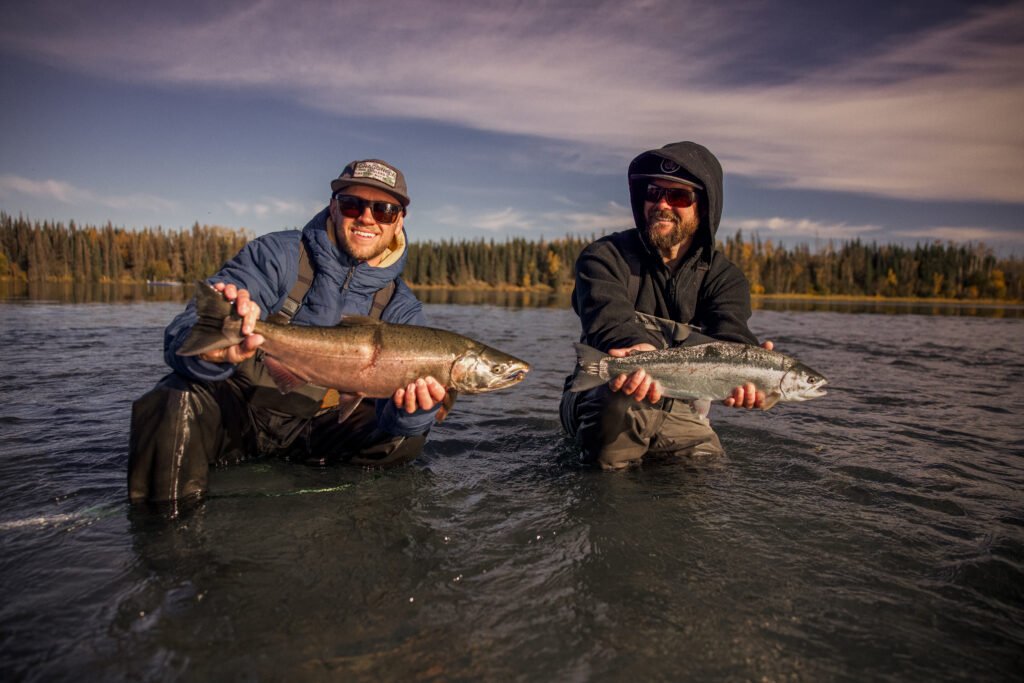
kasilof, Alaska
Kenai and Kasilof river salmon and trout trips with a guide who grew up fishing the Kenai and brings 13+ years of guiding experience.
View full details →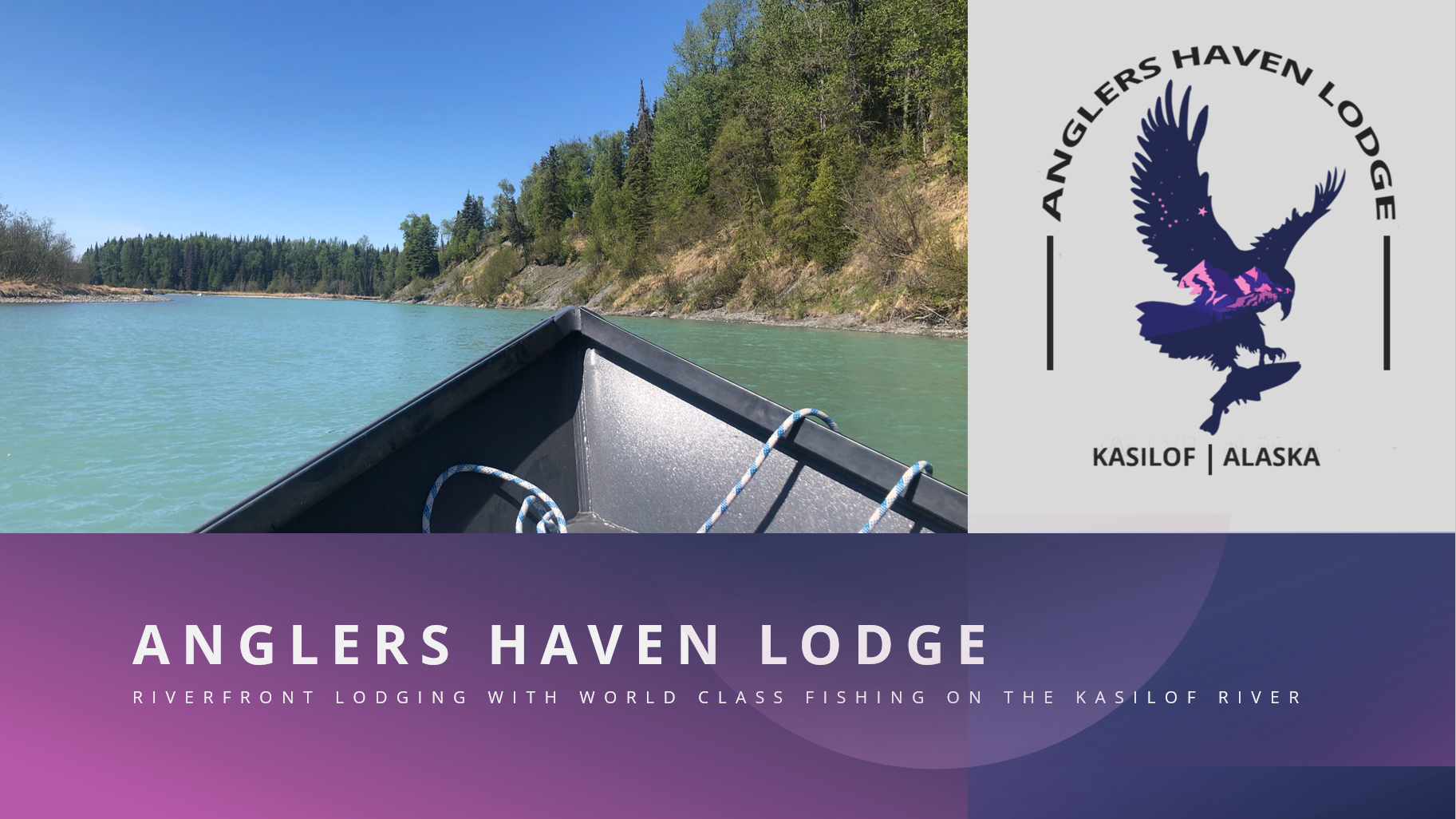
kasilof, Alaska