
Lodge
gustavus, Alaska
Glacier Bay Country Inn
4(240 · TripAdvisor)
halibutsalmonlingcodrockfish
4-night minimum
meals includedfive private cabinsfish processingground transportation+1 more
View full details →Species Guide
Yelloweye and black bass on the edge of Glacier Bay
Gustavus is the little gateway town to Glacier Bay National Park, and its charter boats fish the rich inside water of Icy Strait and Cross Sound, where nutrient-heavy currents stack up baitfish and everything that eats them. Rockfish are a core part of the mixed bag here, alongside halibut, all five Pacific salmon, and lingcod. Boats leave from the Gustavus dock or Bartlett Cove and reach productive ground quickly on protected, relatively calm water.
Know that 'rockfish' covers two very different fisheries. Pelagic rockfish, meaning black rockfish and their cousins, school over rocky structure, hit jigs readily, and carry relatively liberal limits. Yelloweye, the big orange 'red snapper of the north' that reaches sizes up to 20 pounds here, is a slow-growing deepwater fish under some of the tightest sport rules in Alaska. Both come over the rail on Gustavus trips; only one of them should shape your expectations for the fish box.
Rockfish live on hard structure, the reefs, rock piles, and kelp edges that also hold lingcod and sit near the halibut drifts, which is why almost nobody books a rockfish-only trip. The standard Gustavus play is a combo day: salmon or halibut as the headliner, then jigging rocky ground for black rockfish and a shot at a yelloweye. Local operators note that Icy Strait's currents attract dense schools of fish, and the short runs mean more lines-in time than in ports where the grounds are hours out.
Black rockfish are the fun, fast part of the day: aggressive jig biters that kids and first-timers can catch steadily. Yelloweye come from deeper water and get treated with more ceremony. In recent years nonresidents have been allowed just one demersal shelf rockfish (the category that includes yelloweye) per day and per year, recorded on the license immediately.
The charter season in Gustavus runs roughly May through September, and pelagic rockfish bite through all of it. Yelloweye timing is a regulations question more than a fish question: for 2026, ADF&G set the nonresident demersal shelf rockfish season at July 1 through August 25, with a limit of one fish daily and one for the year, harvest record required. These rules are issued by emergency order and change year to year, so confirm the current dates and limits with ADF&G before you count on bringing a yelloweye home.
One rule worth knowing before you're holding a fish: every sport boat in Southeast must carry a deepwater release mechanism, and any rockfish you release has to go back down to the depth it was hooked (or at least 100 feet) rather than being tossed over the side. Rockfish can't vent the gas in their swim bladder the way salmon can, so surface release kills them. Your captain handles the device.
Gustavus is more of a lodge town than a walk-the-dock charter port. Much of the fishing is sold as multi-day lodge packages. Operators like Alaskan Anglers Inn run fully guided multi-day programs, and Glacier Bay Lodge and Glacier Bay Country Inn pair rooms with boats, though half-day and full-day charters exist, and full days on the water commonly run 8 to 9 hours. Captains build the day around your priorities: salmon in the morning and bottomfish after, or a straight bottomfish day when the halibut and rockfish grounds are the goal. Rods and tackle are provided; pack layers and buy your nonresident license ($30/day, $145 annual) online before you fly or ferry in.
| Period | What's happening | Notes |
|---|---|---|
| May – June | Black (pelagic) rockfish on the jig | Steady action on rocky structure; nonresident yelloweye retention typically hasn't opened yet |
| July 1 – August 25 | Nonresident yelloweye window (2026 rules) | One per day and one per year recently, recorded on your license |
| Late August – September | Pelagics still biting, coho peaking | Yelloweye outside the window go back down on the deepwater release device |
Seasons and limits change — always confirm current regulations with ADF&G before booking.
Recently, yes but barely: ADF&G's 2026 rules gave nonresidents a July 1 – August 25 season with one demersal shelf rockfish per day and one per year, recorded immediately on your license. These rules change annually by emergency order; confirm with ADF&G before your trip.
Two groups: pelagic rockfish (black rockfish and similar schooling species) with relatively liberal limits, and demersal shelf rockfish like yelloweye: bright orange, up to around 20 pounds here, and tightly limited. Both come from the rocky structure of Icy Strait and Cross Sound.
No, and you'd struggle to find one. Rockfish are part of the standard Gustavus mixed-bag day alongside halibut, salmon, and lingcod. Tell your captain rockfish matter to you and they'll put jigging time on rocky ground into the plan.
That's a required deepwater release mechanism. Rockfish suffer barotrauma when reeled up from depth and die if released at the surface, so Southeast Alaska rules require returning them to the depth of capture or at least 100 feet. Every sport boat must carry the device.
gustavus, Alaska
gustavus, Alaska
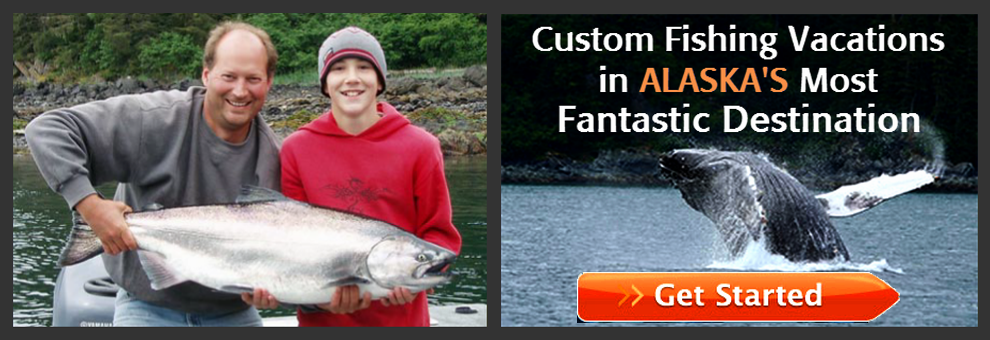
Gustavus charter run by Capt. Mike Halbert, guiding Southeast Alaska since 1985, with fishing and whale-watching trips near Glacier Bay.
gustavus, Alaska
Based in Gustavus at the mouth of Glacier Bay, this operation targets the king salmon that pour through Icy Strait from the Gulf of Alaska on their way to rivers throughout the Pacific Northwest—concentrating fish from hundreds of river systems into one passage. Coho, halibut, and rockfish round out the season from June through September. The short run to the fishing grounds and sheltered inside waters make Gustavus one of the most comfortable launching points for big-fish saltwater charters in Southeast Alaska.