The AlaskaField Guide

Species Guide

Lingcod Fishing in Soldotna, Alaska

Base on the Kenai River, chase toothy reef predators on the salt

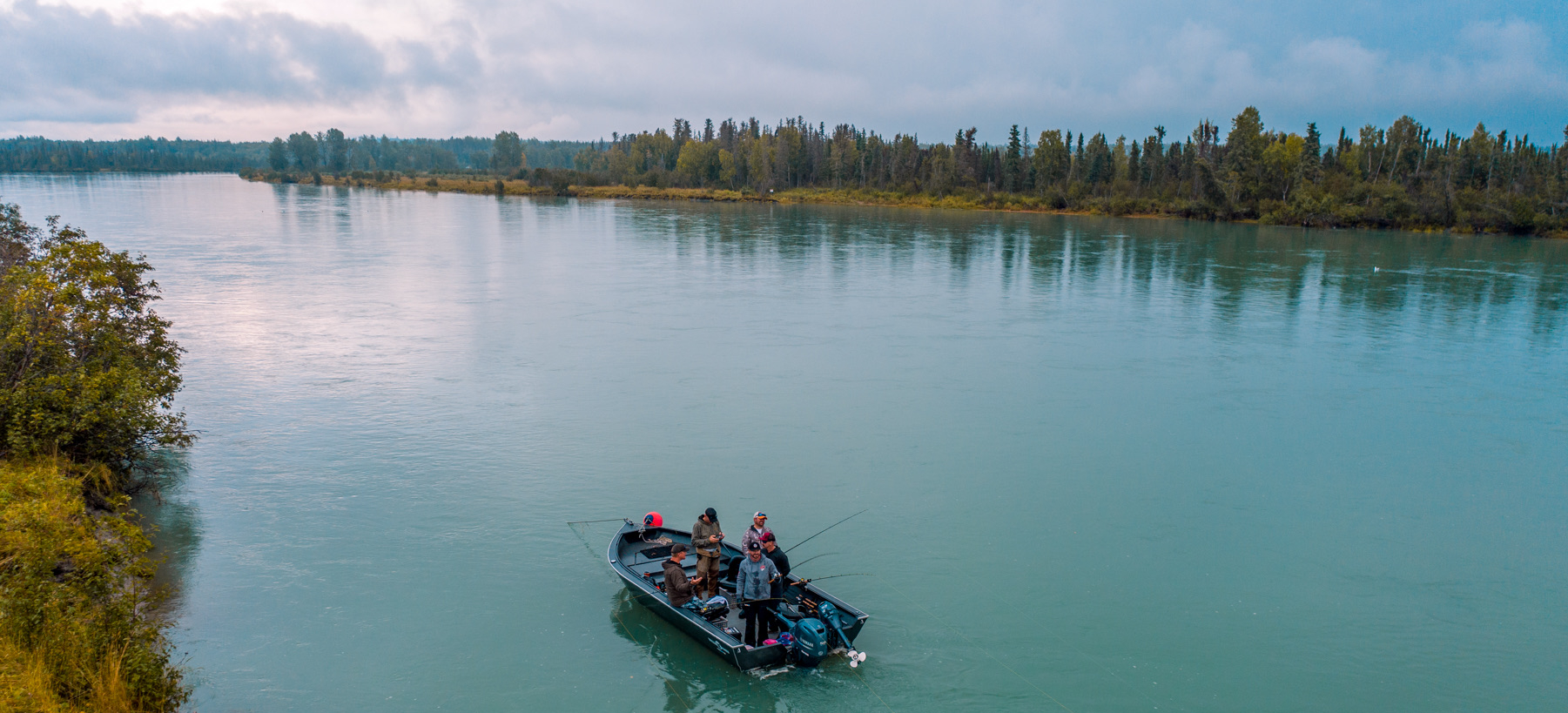
Soldotna sits on the Kenai River, so let's be clear about one thing up front: nobody catches lingcod in town. Lingcod are a saltwater fish of rocky reefs, pinnacles, and deep structure. What Soldotna offers is a comfortable base. Charter operators headquartered here run saltwater trips out of the Cook Inlet beach ports of Deep Creek and Ninilchik, about 40 minutes south, and many can also book you onto full-day boats out of Homer or Seward for the more serious lingcod grounds.

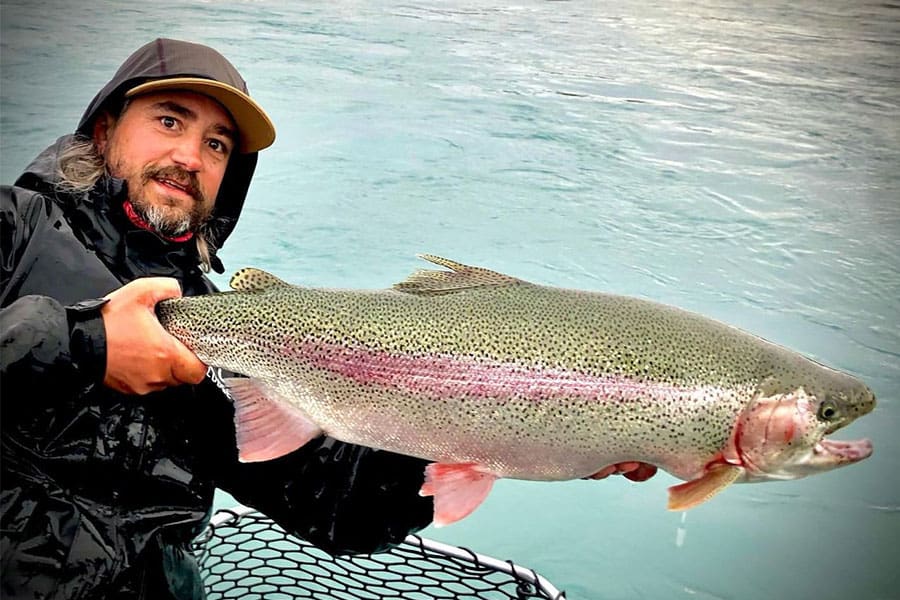
The appeal is real. Lingcod are aggressive ambush predators with a mouthful of teeth, and because the minimum keeper size in this part of Alaska has been 35 inches, any lingcod that goes in the fish box is a genuinely big fish. Most anglers pick them up as part of a multi-species trip alongside halibut and rockfish rather than booking a lingcod-only charter.

The lingcod fishery around Soldotna

From the Deep Creek and Ninilchik beach launches, boats reach productive Cook Inlet water on short runs, and lingcod show up there mostly as a bonus on halibut and multi-species trips. The fish hold on rocky reefs and underwater structure, which is a different kind of bottom than the flats where most halibut effort happens, so captains have to make a deliberate move to target them.

For dedicated lingcod fishing, the better structure lies toward the lower inlet and the Gulf of Alaska. That's why the well-known lingcod ports are Homer and Seward, both reachable by road from Soldotna for a long day trip or an overnight, where full-day combo charters target lingcod alongside rockfish and halibut over deep pinnacles. If lingcod is your priority species, plan on one of those longer full-day trips rather than a half-day inlet run.
The July 1 opener and season

In the Cook Inlet–Resurrection Bay saltwater area, lingcod season has run July 1 through December 31, with the fishery closed the first half of the year. Recent rules set a minimum size of 35 inches with the head attached (28 inches from the front of the dorsal fin to the tail if the head is removed) and a bag limit of one fish with two in possession. These rules can change, so confirm current regulations with ADF&G before your trip.

In practice the fishery is compressed into mid-July through mid-September, when charter effort, weather, and fish activity line up. October through December is technically open water, but few charters run late-fall trips and weather windows get short.

What a trip looks like

Out of Deep Creek and Ninilchik, boats launch off the beach by tractor, worth watching even if you're not fishing, and multi-species trips typically run six to eight hours, with recent pricing in the $300–$350 per person range for halibut and combo trips. Dedicated lingcod/rockfish combo trips from Homer or Seward are full-day affairs and generally cost more; check with individual operators for current rates.

Fishing is heavy-duty bottom work: big jigs and large baits dropped onto rocky structure, then cranked up by hand from serious depth. Electric reels are not standard on Alaska charters, and plenty of anglers prefer the fight anyway. Gear and bait come with the boat. Lingcod over 40 pounds are caught in the Gulf every season, and fish approaching 60 pounds have been recorded, so let the deckhand deal with the teeth.

Lingcod timing from a Soldotna base

PeriodWhat's happeningNotes
January 1 – June 30Season closed in Cook Inlet–Resurrection Bay watersPlan lingcod for July or later
July 1Season opensAggressive, unpressured fish on the reefs; a popular week to book
Mid-July – mid-SeptemberPeak of the fisheryBest mix of weather, charter availability, and active fish
October – DecemberOpen but winding downFew charters still running; weather windows shrink fast

Seasons and limits change — always confirm current regulations with ADF&G before booking.

Tips

  • Book a full-day multi-species trip if lingcod matters to you; lingcod-only charters are rare, and the good structure takes a longer run to reach.
  • Expect to release plenty of undersized lingcod; ask your captain how they measure and release fish.
  • Bring your own rain gear; Alaska charter boats generally don't provide it.
  • A nonresident fishing license runs $30 for a single day or $145 for the year; buy it online before you leave Soldotna.
  • Keep your hands away from a landed lingcod's mouth; the teeth are no joke, so let the crew unhook it.

FAQs

Can you catch lingcod in Soldotna?

No. Soldotna is on the Kenai River, and lingcod are strictly saltwater fish. Soldotna-based operators run or book saltwater trips out of Deep Creek and Ninilchik (about 40 minutes south) and out of Homer and Seward, which have the better dedicated lingcod grounds.

When is lingcod season near Soldotna?

In the Cook Inlet–Resurrection Bay saltwater area, the season has run July 1 through December 31, with most trips happening mid-July through mid-September.

How big does a lingcod have to be to keep?

Recent rules required a minimum of 35 inches with the head attached (28 inches measured from the front of the dorsal fin to the tail if headed), with a bag limit of one fish.

How much does a lingcod trip cost from the Soldotna area?

Halibut and multi-species combo trips out of Deep Creek/Ninilchik have recently run about $300–$350 per person for six to eight hours on the water. Full-day lingcod/rockfish combo trips from Homer or Seward generally cost more; check current rates with individual operators.

Operators for This Trip

All Soldotna listings →