Charter
valdez, Alaska
Valdez Outfitters
4.5(46 · TripAdvisor)
Capt. Tim BouchardAlaskan Adventurer · 70ft
halibutsalmonrockfishlingcod
Up to 10 guests
70-ft sport fisherthree stateroomsfull galleytackle provided
View full details →Species Guide
Long runs into Prince William Sound for flatfish — with derby money on the line
Valdez sits at the head of a deep fjord in eastern Prince William Sound, which shapes its halibut fishery in one big way: the good grounds are a run from town. Charters push out into the Sound, some two hours or more each way, to fish areas like Glacier Island, Knowles Head, Orca Bay, and out toward Montague Strait and Hinchinbrook Entrance where the Sound meets the Gulf of Alaska.
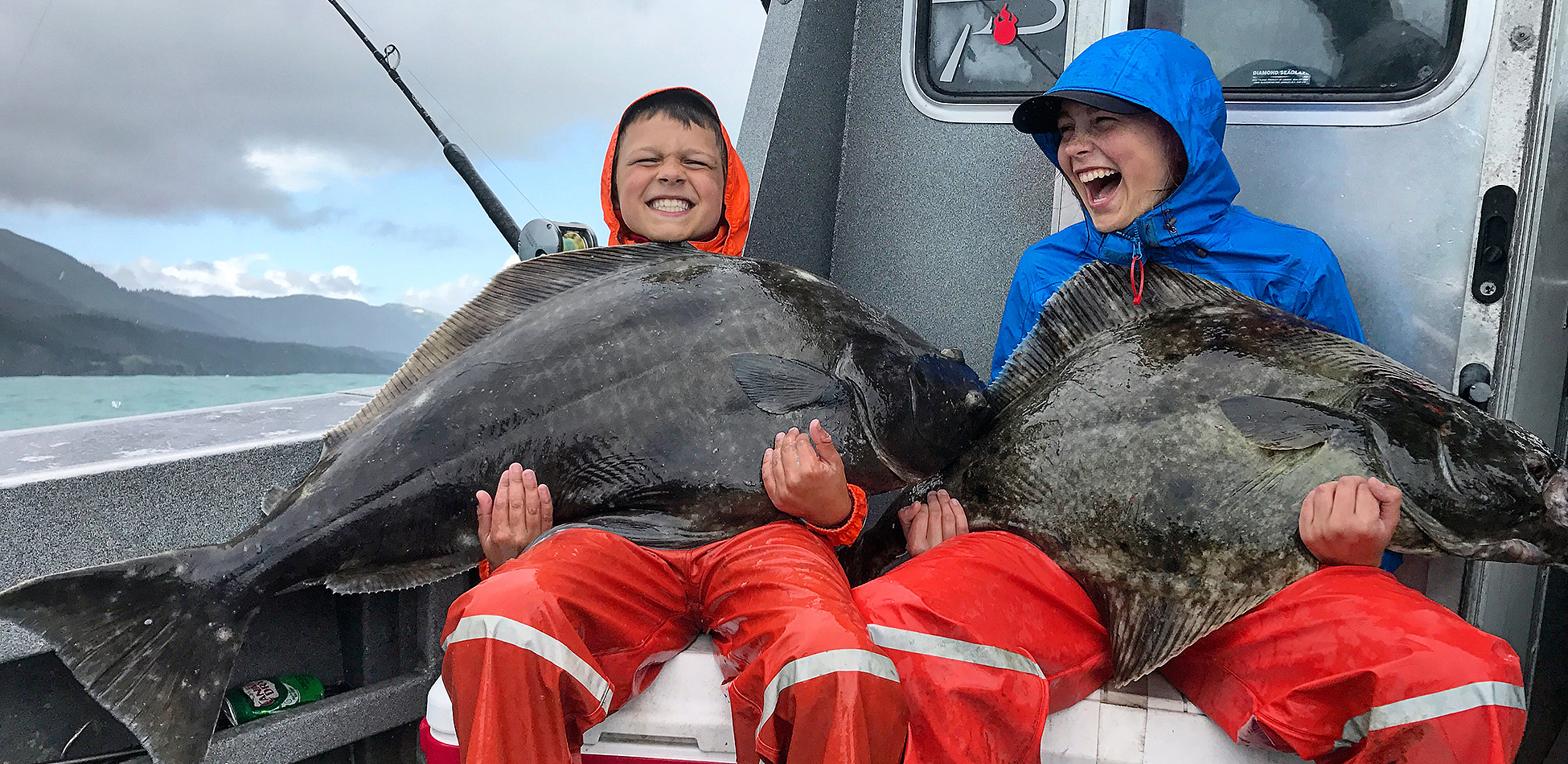
The payoff is a fishery with real top-end potential. Local sources put the average Valdez halibut in the 30-35 pound range, and fish over 300 pounds have been brought back to Port Valdez. Add a summer-long halibut derby with a $15,000 grand prize and there's a reason every fish gets weighed with a little extra interest.
From May into September, Valdez charter boats run halibut trips into Prince William Sound, usually pairing halibut with rockfish early in the season and adding lingcod once that fishery opens July 1. Because of the distances involved, halibut trips out of Valdez tend to be long full days, and the boats that run farthest toward Hinchinbrook Entrance and Montague Strait are chasing the bigger water where the Sound opens to the Gulf.
Our directory lists around ten Valdez operators, including dedicated fishing outfits like Valdez Outfitters and Hofstad Fishing Co. The Valdez Halibut Derby runs through the summer with a $15,000 cash grand prize for the largest halibut, $5,000 for second, $2,000 for third, weekly prizes, and a $10,000 end-of-season drawing among ticket holders.
Halibut are managed federally, and the rules for guided (charter) anglers change every year, so treat the following as the published 2026 measures and confirm current rules before you fish. In 2026, charter anglers in Area 3A (which includes Valdez) may keep two halibut per day: one of any size, and a second that must be 27 inches or less.
There are also closed retention days for charter anglers in 2026: no halibut may be kept on any Wednesday, and Tuesdays are closed to retention from June 2 through August 25. NOAA's 2026 charter FAQ also describes a daily charter halibut stamp requirement for charter anglers 18 and older in this area; ask your operator how that's handled when you book. None of these charter measures apply to unguided private-boat anglers, whose rules differ.
Plan on an early departure and a long day on the water; the run time is the price of admission for the better grounds. Halibut fishing here is bottom fishing in deep water with heavy weights, and it's hand-cranked, since electric reels aren't standard on Alaska charters — and many anglers wouldn't have it any other way. Boats supply rods and tackle.
With the two-fish limit structured as one any size plus one under 27 inches, the usual play is to box a smaller 'chicken' halibut early (the better eating anyway, by most deckhand opinions) and then hunt for a big fish with the second tag. If you're fishing during derby season, buy your ticket before you leave the dock; a derby-winning fish only counts if you're entered.
| Period | What's happening | Notes |
|---|---|---|
| May | Charter season begins | Halibut and rockfish combos; derby season gets underway |
| June | Early-summer prime time | 2026 charter rules close Tuesdays to retention starting June 2 |
| July - August | Peak season | Lingcod opens July 1 and joins the mix; busiest months in the harbor |
| September | Season winds down | Derby wraps up; weather windows tighten in the Sound |
Seasons and limits change — always confirm current regulations with ADF&G before booking.
Charter anglers may keep two halibut per day (one any size, one 27 inches or less), with no retention on Wednesdays, and Tuesdays closed June 2 through August 25. These federal charter measures change annually, so confirm current rules with NOAA/ADF&G or your charter before booking.
Local sources put the average around 30-35 pounds, which is typical eating-size halibut, but Prince William Sound produces some very large fish: halibut over 300 pounds have been brought back to Port Valdez, and the summer derby pays $15,000 for the biggest.
The charter season runs May into September. May and June trips pair halibut with rockfish; from July 1 lingcod joins the mix, making mid-to-late summer the fullest multi-species window. September still fishes, but weather windows in the Sound get shorter.
Yes. A standard Alaska sport fishing license ($30/day or $145/annual for nonresidents) covers it, and no king salmon stamp is needed for halibut.
valdez, Alaska


valdez, Alaska