Hunting
wasilla, Alaska
Top Gun Treks
Capt. Bob Jewett
moosebrown bearblack beardall sheep
Fully GuidedFly-In
bush pilot guidetaxidermy services on-sitefly-in accessfair chase wilderness hunts
$8,500–$14,000
View full details →Species Guide
White rams, steep country, and the Mat-Su guides who take you there.
Dall sheep live in Alaska's high, dry alpine: open ridges, meadows, and steep slopes in the state's big mountain ranges. Wasilla, sitting in the Mat-Su Valley between the Chugach, the Talkeetnas, and the road north toward the Alaska Range, is a natural home base for the guides who hunt them. As with brown bear, you won't hunt sheep in town. Wasilla-based outfits pack clients into remote mountain concessions, including a 600-plus-square-mile sole-use area in the Denali Preserve country.
Two rules frame every nonresident sheep hunt. First, ADF&G requires nonresident sheep hunters to have a guide or to be accompanied by a relative who is an Alaska resident; Dall sheep is one of only three Alaska species carrying that requirement, along with brown/grizzly bear and mountain goat. Second, in most areas only a full-curl ram is legal, which makes judgment and patience part of the hunt itself.
This is widely regarded as one of North America's most physically demanding hunts; ADF&G dryly notes that sheep hunting 'tends to be practiced primarily by a few, hardy individuals.' Expect a backpack-style hunt: an air charter or pack-in to a remote field camp, then days of climbing and glassing in country where the weather can turn hard. One Wasilla-based outfit runs 11-day hunts, travel days included, in its sole-use Denali Preserve concession. Hunting-industry sources also point to the Chugach units 13 and 14, known for heavy-horned rams, and to the Alaska Range within striking distance of the Mat-Su.
The full-curl rule is the intellectual heart of the hunt: a legal ram must generally be full curl on at least one side, have both horns broken, or be at least eight years old, and rams don't reach full curl until age seven or eight. Your guide makes the call in the spotting scope, but you should understand it before you book.
The classic Dall sheep season runs August 10 to September 20, and guides recommend August into early September, before cold and snow arrive at elevation and late-season sheep country becomes a serious place. Some areas are draw-permit hunts with winter application deadlines, and guided nonresident draw applications generally require a signed guide-client contract first, so the planning calendar starts nearly a year out. Confirm current seasons, unit rules, and draw deadlines with ADF&G.
Guided Alaska Dall sheep hunts generally run $30,000 to $55,000. For concrete numbers: one operator lists a 10-day one-on-one hunt at $33,750 plus a $5,750 fly-in fee, and a Wasilla-based outfit prices its 11-day one-on-one concession hunt at $40,000, covering ground transport, food, lodging, and trophy care between Anchorage and the field. Air charter to the field, licenses and tags, taxidermy, and flights home run extra.
Two more line items round it out. The paperwork: a $160 nonresident hunting license and an $850 sheep locking tag. The training: months of legitimate mountain conditioning, the cheapest thing you can do to raise your odds. Bring your own rain gear and layers too, because no outfit issues them and alpine weather doesn't negotiate.
| Period | What's happening | Notes |
|---|---|---|
| Winter before | Draw applications and guide contracts | Guided nonresident draw hunts generally require a signed guide-client contract first |
| August 10 | Season opens | The classic opener; exact rules vary by unit |
| Aug – early Sept | Prime window in the high country | Guides recommend this stretch; best weather at elevation |
| Mid – late Sept | Season closes September 20 | Cold and snow increasingly likely up high |
Seasons and limits change — always confirm current regulations with ADF&G before booking.
Yes, if you're a nonresident: ADF&G requires nonresident sheep hunters to have a licensed guide or be accompanied by a relative who is an Alaska resident. Dall sheep, brown/grizzly bear, and mountain goat are the only Alaska species with this requirement.
Generally $30,000 to $55,000. Documented examples include a 10-day one-on-one hunt at $33,750 plus a $5,750 fly-in, and a Wasilla-based outfit's 11-day hunt at $40,000, with air charter, the $160 license, $850 sheep tag, and taxidermy extra.
The classic season runs August 10 to September 20, with guides favoring August into early September before snow hits the high country. Some units are draw-permit hunts with winter deadlines.
In most areas a ram must be full curl on at least one side, have both horns broken, or be at least eight years old, and rams typically don't reach full curl until age seven or eight. Your guide judges this in the field; confirm the current definition and unit rules with ADF&G.
wasilla, Alaska
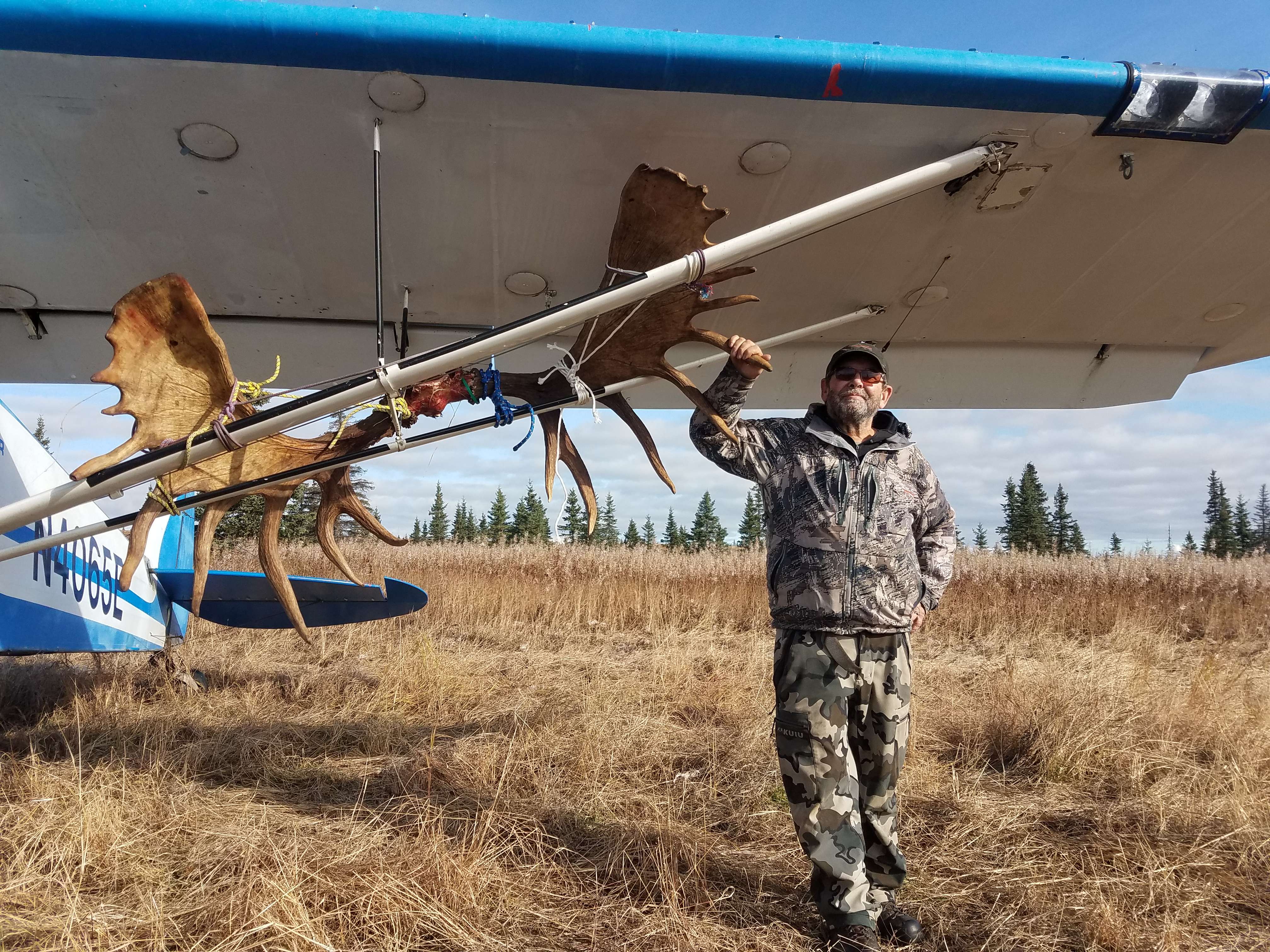
wasilla, Alaska
Master Guide Wayne Kubat's small-batch moose, bear, and Dall sheep hunts on a sole-use 600-square-mile Denali Preserve concession.

wasilla, Alaska
Dall sheep, goat, bear, and moose hunts in the Chugach National Forest with Scott McRae, a guide with more than 25 years in the field.
View full details →