The AlaskaField Guide

Hunt Area Guide

Anchorage Hunting Guide

Every Alaska hunt seems to pass through here. Plan yours to use that.

Almost nobody's Alaska hunt happens in Anchorage, yet a huge share of them start and end here. The city has the state's main international airport, and right beside it sits Lake Hood, the world's busiest seaplane base, averaging around 190 flights a day. Air taxis and transporters based at Lake Hood and Merrill Field fly hunters out to moose, caribou, and bear country, while commercial flights connect Anchorage to bush hubs like King Salmon, Dillingham, and Kotzebue, where the next leg of a hunt begins.

That's why so many guides, outfitters, and transporter services keep an Anchorage address: the client meets them here, the gear gets sorted here, and the meat and antlers come back through here. ADF&G notes that most nonresident hunters hire some form of transporter, usually an air charter operator, to reach their hunting area, especially for species like moose and caribou that don't legally require a guide.

Hunting close to town does exist, but it's tightly managed. The Anchorage area is Game Management Unit 14C, and the Chugach State Park Management Area carries its own rules; much of the local moose opportunity is by drawing permit with special conditions. Treat Anchorage as your staging base rather than your hunting grounds, and it works beautifully.

When to Go

  • August 10 – mid-September: Dall sheep general seasons traditionally open August 10, and brown bear seasons open the same day in many Southcentral units. Early caribou hunts are underway where herds and permits allow. Lake Hood and the bush hubs are at their busiest, so book flights early. Confirm your unit's dates with ADF&G.
  • September: Peak moose month. Most Alaska moose seasons run in September windows timed to the rut, and fly-out demand from Anchorage peaks accordingly.
  • October–December: Sitka blacktail deer seasons run into late fall on Kodiak and in Southeast, both reached by air from Anchorage or via Alaska Airlines connections. Black bear seasons continue in many areas. As weather gets less flyable, build in buffer days.
  • Spring (April–June): Spring bear hunts in various units, including black bear over bait in parts of Southcentral. In the Chugach State Park Management Area, black bear season runs September 1 – May 31 under Unit 14C rules.

Game & Seasons

GamePrime MonthsNotes
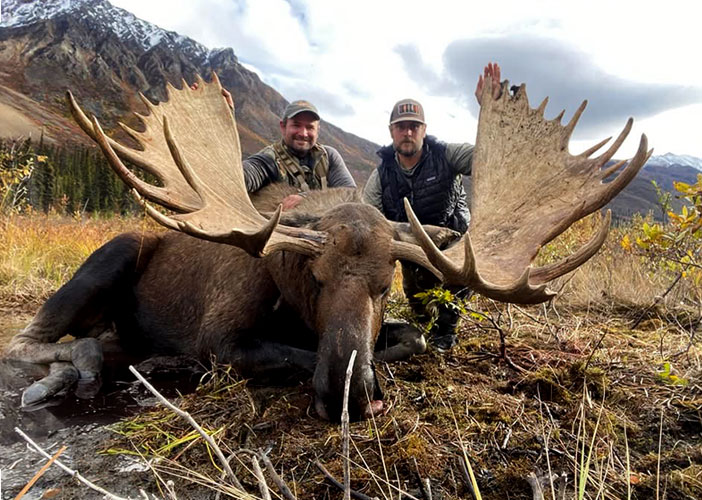
MooseSep (most units)The classic Anchorage fly-out hunt: transporters at Lake Hood drop unguided hunters at remote camps. No guide required for nonresident U.S. citizens. Near town, Unit 14C moose opportunity is largely by drawing permit (e.g., antlerless hunts with hunter-orientation and weekday-only conditions).
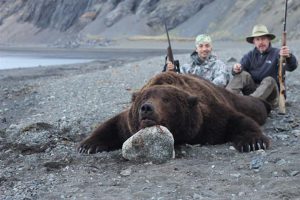
Brown / grizzly bearFall & spring, unit-specificGuide required for nonresidents (or a resident relative within second-degree kindred, 19+). Many Anchorage-based guides run brown bear hunts on the Alaska Peninsula, Kodiak, and Southcentral units.
Dall sheepAug–SepGuide required for nonresidents. Full-curl ram rules apply in general hunts, and sheep hunters in general harvest-ticket hunts must complete a state orientation course as of July 2026. Hunts stage through Anchorage to the Alaska Range, Chugach, and Talkeetna Mountains.
CaribouAug–Sep (migration-dependent)No guide required for nonresident U.S. citizens. Most caribou hunts from Anchorage involve a commercial hop to a bush hub (Kotzebue, King Salmon, Dillingham) and then an air taxi. Herd locations shift, and August hotspots can be empty by September.
Black bearFall & springNo guide required for nonresident U.S. citizens. Fly-out and boat-based hunts are common; near Anchorage, the Chugach State Park Management Area black bear season runs September 1 – May 31 under Unit 14C regulations.
Mountain goatAug–Nov, unit-specificGuide required for nonresidents. Goat hunts in the Chugach and Kenai Mountains are frequently drawing or registration permit hunts, so apply well ahead through ADF&G.
Sitka blacktail deerAug–Dec, area-specificHunted on Kodiak and in Southeast, both reached by air from Anchorage. No guide required for nonresident U.S. citizens. Seasons and bag limits vary by area.
WolfFall–spring, unit-specificUsually taken incidentally on other hunts. Note the Chugach State Park Management Area near Anchorage does not allow wolf, wolverine, coyote, or squirrel hunting, so go through your outfitter's unit regs.

Seasons and limits change — always confirm current regulations with ADF&G before booking.

How Trips Work in Anchorage

Anchorage hunts come in two logistical shapes. Fly-out direct: an air taxi from Lake Hood or Merrill Field flies you straight to a camp or drop point within floatplane range, common for Susitna Valley and western Cook Inlet moose and bear country. Hub-and-spoke: you take a commercial flight (often Alaska Airlines) to a bush hub like King Salmon, Dillingham, or Kotzebue, where a local air taxi runs the final leg. Guided hunts include the guide, camp, and trophy care; transporter 'drop' hunts fly unguided hunters and gear out and pick them up on a set date.

Whichever shape your hunt takes, Anchorage is where you handle the practical layer: final gear purchases at the city's outdoor retailers, licenses and tags if you haven't bought them online, rifle check-in, and, on the way home, meat and antler shipping. Build buffer days on both ends; bush flights move on weather, not schedules.
Getting to Anchorage

Ted Stevens Anchorage International Airport has direct flights from Seattle and other Lower 48 cities year-round. Lake Hood seaplane base sits adjacent to the airport, with some air taxis minutes from the main terminal, while Merrill Field is a short drive across town. If your hunt continues to a bush hub, Alaska Airlines and regional carriers connect from the same airport. A rental car helps for gear runs but is often unnecessary when your outfitter provides transfers.

Local Tips

  • Don't plan to just 'go hunting' near Anchorage. Unit 14C and the Chugach State Park Management Area are heavily permit-based, with conditions like orientation classes, weekday-only hunting, and daily check-in on some hunts. The city is your gateway, not your hunting unit.
  • Know the guide law: nonresident U.S. citizens need a registered guide only for brown/grizzly bear, Dall sheep, and mountain goat. Moose, caribou, black bear, and deer can be hunted unguided, which is exactly what the Lake Hood transporter fleet is for. Nonresident aliens need a guide for all big game.
  • Plan meat logistics before you shoot. Alaska Airlines accepts big game meat, hides, and capes in leak-proof packaging up to 100 pounds per package, and hunters commonly ship antlers via Northern Air Cargo through Anchorage. Alaska law requires salvage of big game meat.
  • Buy your nonresident hunting license and locking tags before your fly-out, and note that drawing permit applications close months ahead; check hunt.alaska.gov deadlines the winter before your hunt.
  • Bring your own rain gear and expect weight limits on bush planes; your air taxi will send a gear list, and it's not negotiable on the dock.
  • Build one or two weather buffer days into each end of the itinerary. A socked-in pickup day is routine in Alaska, and a missed international connection is expensive.

Anchorage FAQs

Can you hunt near Anchorage itself?

In a limited way. The Anchorage area is Unit 14C, and hunts in the Chugach State Park Management Area operate under special rules: much of the moose opportunity is by drawing permit with conditions like orientation classes and weekday-only hunting, while black bear runs September 1 – May 31 under Unit 14C regulations. Most hunters instead use Anchorage as the staging point for fly-out hunts.

Do I need a guide to hunt in Alaska?

Only for some species. Nonresident U.S. citizens must hunt with a registered guide (or a resident relative within second-degree kindred, age 19+) for brown/grizzly bear, Dall sheep, and mountain goat. Moose, caribou, black bear, and deer do not require a guide. Nonresident aliens need a guide for all big game.

How do fly-out hunts from Anchorage work?

You either fly directly from Lake Hood or Merrill Field with an air taxi to a remote camp, or take a commercial flight to a bush hub (King Salmon, Dillingham, Kotzebue) and transfer to a local air taxi. Guided hunts include a licensed guide in the field; transporter drop hunts fly you out unguided and pick you up on a scheduled date, weather permitting.

How do I get my meat and antlers home from Anchorage?

Alaska Airlines accepts big game meat, hides, and capes as baggage or cargo in leak-proof packaging, with a 100-pound-per-package limit; hunters also ship antlers through Northern Air Cargo, which serves most Alaska hubs. Costs vary with weight and box count, so budget for it; parties have reported several hundred dollars in baggage fees for a two-animal load.

What license do I need to hunt in Alaska?

A nonresident Alaska hunting license (listed at $160 for 2026–2027), plus a big game locking tag for each species you intend to take, and any required harvest tickets or drawing permits. Buy through ADF&G before you fly out; drawing applications have winter deadlines.

More Anchorage Guides

Operators in Anchorage

All 22 Anchorage listings →