Lodge
wasilla, Alaska
Alaska Wilderness Lodge
Est. 1982
salmon
3-night minimum
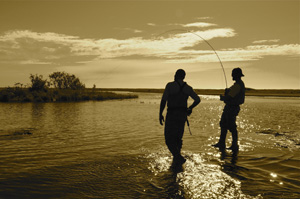
Mat-Su Valley base camp locationRoad access plus fly-out packagesGuided moose and bear huntingLittle Susitna salmon fishing+2 more
From $885/person
View full details →Species Guide
Road-system bulls and fly-out camps, staged from the Mat-Su Valley's biggest town
Wasilla sits in the heart of the Matanuska-Susitna Valley, inside Game Management Unit 14A, one of Alaska's most accessible moose units. Nobody shoots a bull in a Wasilla parking lot, but the surrounding valley holds real moose hunting on the road system, and the town doubles as a staging hub for fly-out and remote-camp hunts deeper into Southcentral Alaska.
The trade-off for that access is structure: 14A runs on antler restrictions that put the burden of judgment on the hunter. Learn the rules before you learn the country, because a bull that's legal in one unit can be illegal here.
Unit 14A covers the core Mat-Su Valley around Wasilla and Palmer. Because it's an easy drive from most of Alaska's population, road-accessible country gets hunted hard, which is exactly why many hunters book with area outfitters and transporters, trading road access for remote camps reached by plane, boat, or ATV. Our directory lists around ten operators that serve Wasilla-based hunters, including Arrowhead Outfitters, Top Gun Treks, Barela's Alaskan Outfitters, and Grizzly Expeditions.
A key fact for nonresidents: Alaska requires a registered guide only for brown/grizzly bear, Dall sheep, and mountain goat. Moose is not on that list, so do-it-yourself and transporter-supported moose hunts are legal for visiting hunters, a big part of why the Mat-Su draws so many of them.
Under the published 2025-2026 regulations, Unit 14A has an archery-only season August 10-19 and a general season August 25 - September 25. In both, a legal bull must have spike-fork antlers, a 50-inch or greater spread, or 3 or more brow tines on at least one side. There's also a December 1-25 winter hunt by permit, restricted to bow, crossbow, or shotgun. Hunt types, permit requirements, and resident/nonresident specifics vary by hunt, so read the current ADF&G regulations for Unit 14 before you commit, because seasons and restrictions change.
The spike-fork/50-inch/3-brow-tine rule means field judging is the hunt. Misjudging a 48-inch bull with two brow tines isn't a near-miss, it's a violation — the standard advice from ADF&G and every outfitter is simple: if you can't confidently call it legal, don't shoot.
State paperwork for a nonresident runs $160 for the annual hunting license plus an $800 moose locking tag, and every moose hunter needs the appropriate harvest ticket or permit. The locking tag goes on the animal immediately after the kill and stays there until the moose is processed or exported. Alaska also requires salvage of all edible meat, so plan pack-out logistics before you plan the shot, because a mature bull is a multi-load, multi-day job without machines or aircraft.
Wasilla itself is a practical base: it's on the Parks Highway with flights, gear stores, meat processors, and freight services, which is why even hunters headed far beyond 14A stage here. September is the classic window, with the general season running to September 25, cooling weather, and improving bull movement toward the end.
| Period | What's happening | Notes |
|---|---|---|
| Aug 10 - 19 | Archery-only season | Bow and arrow only; spike-fork, 50-inch, or 3+ brow tine bulls |
| Aug 25 - Sep 25 | General season | Same antler restrictions; harvest ticket required |
| Dec 1 - 25 | Winter permit hunt | By permit only; bow, crossbow, or shotgun |
| Winter (varies) | Drawing applications | Many Mat-Su hunts are draw permits; check current deadlines |
Seasons and limits change — always confirm current regulations with ADF&G before booking.
No. Alaska requires a registered guide for nonresidents only for brown/grizzly bear, Dall sheep, and mountain goat. Nonresidents can hunt moose on their own or with a transporter, though many book outfitted hunts for the logistics alone.
In Unit 14A under the 2025-2026 regulations: archery-only August 10-19, general season August 25 - September 25, and a December 1-25 winter permit hunt (bow, crossbow, or shotgun). Seasons and hunt types change, so check current dates before booking.
A bull with spike-fork antlers, an antler spread of 50 inches or more, or 3 or more brow tines on at least one side. Anything else is illegal to take, and the hunter is responsible for the call, so confirm current restrictions with ADF&G.
The annual nonresident hunting license is $160 and the moose locking tag is $800 (about $960 total), plus you'll need the appropriate harvest ticket or permit (free with license for general hunts). Outfitter, transporter, and air-taxi costs vary widely, so get quotes directly from operators.
wasilla, Alaska
wasilla, Alaska

wasilla, Alaska