Tour
whittier, Alaska
Phillips Cruises & Tours
4.7(3066 · TripAdvisor)
Capt. Bob NeumannKlondike Express · 137ftEst. 1958
High-speed catamaransHot lunch includedNo-seasickness guarantee140-mile route+2 more
$149–$179/person
View full details →Port Guide
Prince William Sound charters an hour's drive from Anchorage — through one shared tunnel.
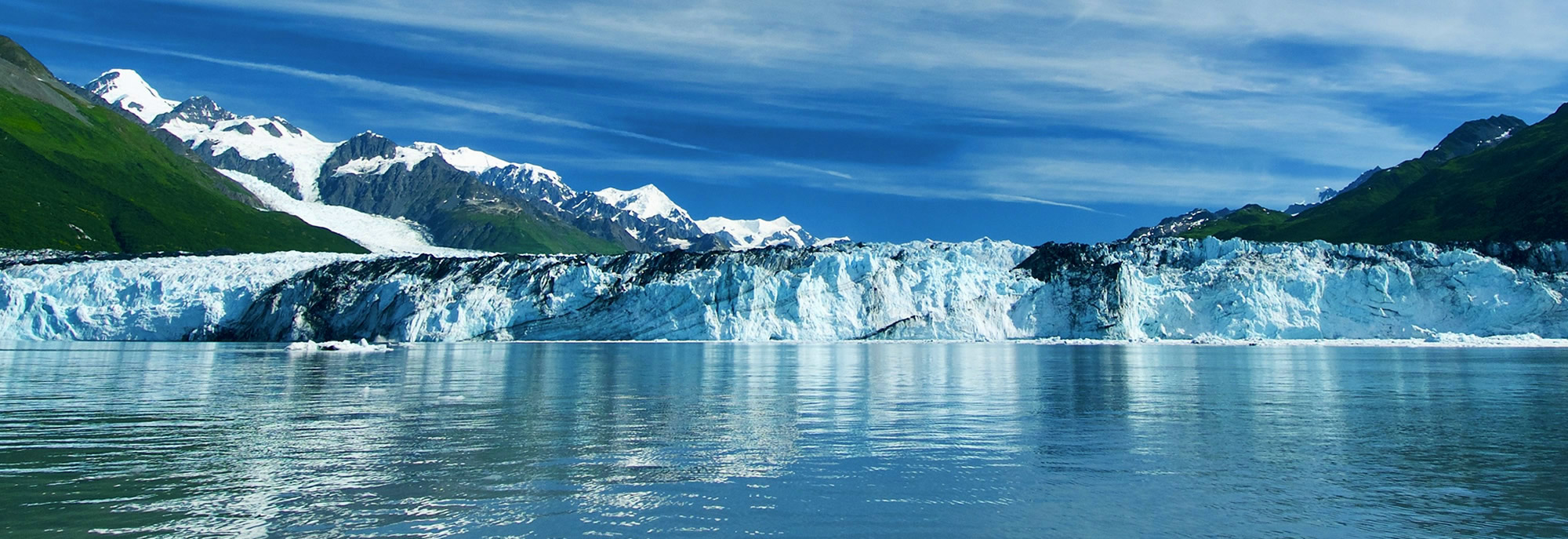
Whittier is the fastest way from Anchorage to saltwater fishing: about 60 miles down the Seward Highway and Portage Glacier Highway, then 2.5 miles through the Anton Anderson Memorial Tunnel, a single lane through Maynard Mountain that cars share with the Alaska Railroad on an alternating one-way schedule. On the other side you pop out at the head of Passage Canal, where a fleet of charter boats works the protected waters of Prince William Sound and, on longer runs, the Gulf of Alaska.
The town itself is tiny: a couple hundred year-round residents, most of them living in one building, Begich Towers. Even so, the harbor is busy all summer with charter boats, cruise ships and the railroad. Nearly every operator here is a fishing charter, and combo trips are the norm: a halibut day commonly brings rockfish, lingcod or cod over the rail too, with silver salmon joining the mix from late July on.
| Species | Prime Months | Notes |
|---|---|---|
| Halibut | May–Sep | The mainstay. Fish commonly run 20–80 lb with occasional catches well over 100 lb. Charter halibut size and bag rules change annually, so verify current limits before your trip. |
| Silver (coho) salmon | Late Jul–Sep | The main salmon target out of Whittier, trolled or mooched in the Sound alongside bottomfishing. |
| Pink salmon | Jul–Aug (even years) | Pinks flood Prince William Sound in even-numbered years, with fast action when they're in. |
| Lingcod | Midsummer–Sep | Often a bonus on halibut trips once the season opens. Lingcod have their own season and size rules, so check current ADF&G regulations. |
| Rockfish | May–Sep | Regular bycatch and a deliberate target on combo trips. Release rules and deepwater-release gear requirements apply, and your captain will know the current drill. |
| Pacific cod | May–Sep | Common on bottomfish trips and good eating; usually part of the mixed bag rather than the headline. |
Seasons and limits change — always confirm current regulations with ADF&G before booking.
Full-day trips are the standard out of Whittier, typically departing around 7:00 a.m. and returning around 6:00 p.m. Boats run anywhere from thirty to ninety miles from port (one to three hours each way), choosing between the protected waters of Prince William Sound and the more exposed Gulf of Alaska depending on weather and what's biting. Most operators sell combo trips covering halibut plus salmon, rockfish, cod and (in season) lingcod. Because the run to the grounds is long, half-day options are uncommon here; plan on a full day on the water.
Whittier is a day-trip from Anchorage: roughly 60 miles via the Seward Highway and Portage Glacier Highway, then through the one-lane Anton Anderson Memorial Tunnel, which at 2.5 miles is North America's longest combined rail-highway tunnel. Traffic alternates: in the current summer schedule, cars generally enter Whittier on the half-hour and leave on the hour, with trains taking priority slots. Arrive at least 10 minutes before your opening and allow about 1.5 hours total from Anchorage in summer. The toll has been $13 for a standard passenger vehicle; check the Alaska DOT tunnel page for current rates and the day's schedule. The Alaska Railroad and cruise ships also serve Whittier.
Yes. A nonresident Alaska fishing license is $30 for one day or $145 for the year, purchasable online from ADF&G or from local vendors. A King Salmon Stamp is only needed if you fish for kings.
Full-day combo and halibut trips are the norm; published 2026 listings start around $400 per person, and prices vary by boat, trip length and target species. Confirm current rates directly with operators.
It's a single lane shared by cars and the Alaska Railroad, open in alternating one-way windows: generally into Whittier on the half-hour and out on the hour in summer. Check the Alaska DOT schedule the day you travel and arrive at least 10 minutes early.
Halibut fish well May through September. For the widest variety, August combines plentiful halibut with hard-running silvers, plus pink salmon in even-numbered years.
Yes. It's about 60 miles and roughly 1.5 hours each way in summer, tunnel included. Most boats leave around 7:00 a.m., so plan an early tunnel opening or overnight in town.
whittier, Alaska
whittier, Alaska

whittier, Alaska