The AlaskaField Guide

Species Guide

Halibut Fishing in Wrangell, Alaska

Flat fish from calm water — halibut without the open-ocean crossing.

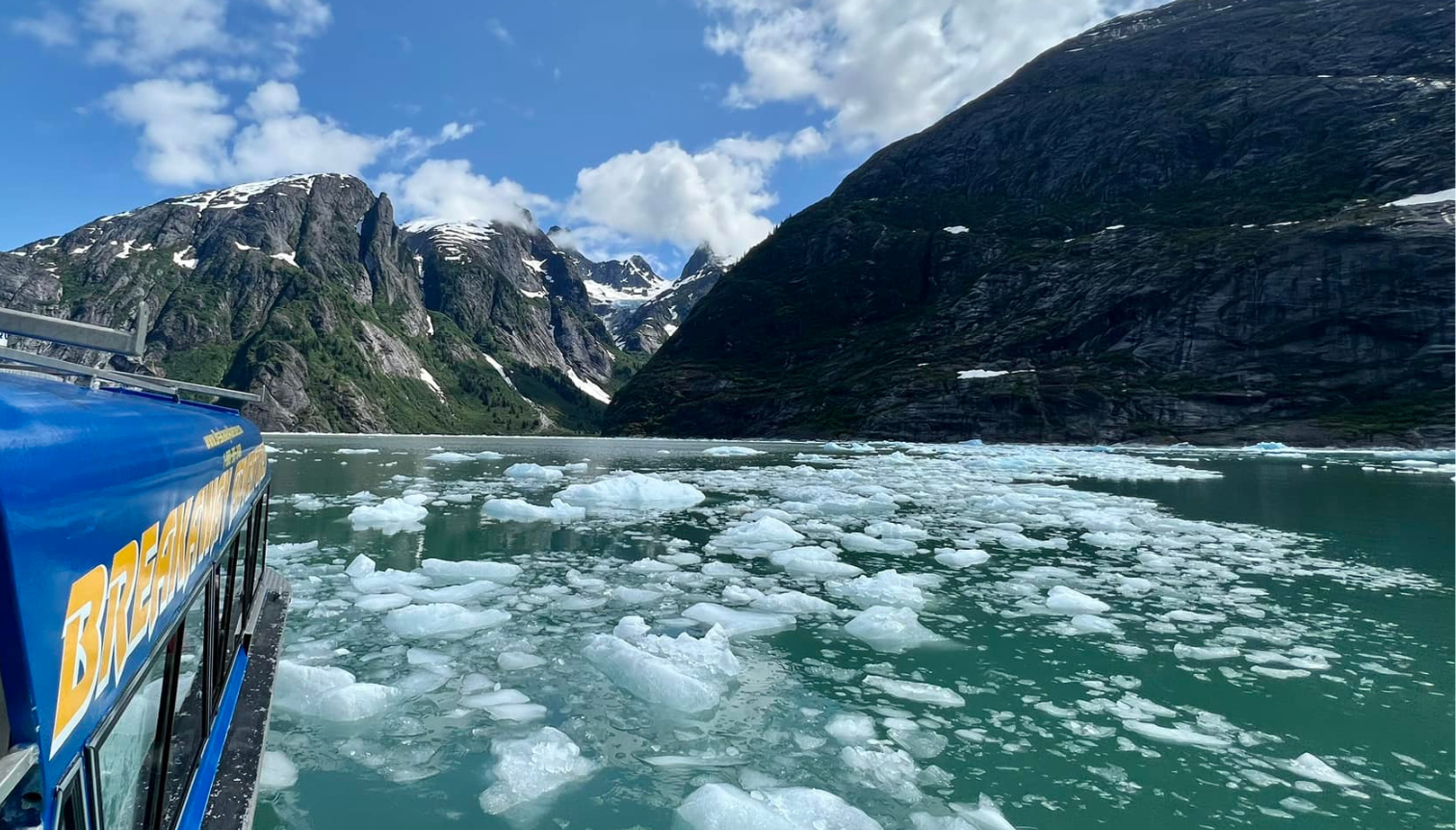
Wrangell's halibut fishing sells itself on one practical advantage: protected water. The town sits among the islands of the southern Inside Passage, and its charter boats work sheltered straits and passages rather than open Gulf of Alaska swell. For anglers prone to seasickness, or families with kids aboard, that's a meaningful difference from the big open-water halibut ports. You spend your day fishing, not bracing.

This is a small-fleet town. A handful of owner-operated charters run out of Wrangell's harbor, typically mixing halibut with salmon on full-day trips, and the local calendar peaks with coho and halibut derbies in late August and early September. You won't find a fleet of fifty boats or a dockside weigh-in circus; you'll find working skippers on uncrowded water at the mouth of the Stikine River.

The halibut fishery in Wrangell

Halibut hold on banks, edges, and current-swept bottom throughout the straits around Wrangell, Etolin, Zarembo, and Mitkof islands, and charters here fish them alongside salmon. Most trips are multi-species days, dropping bait or jigs for halibut around the tide and trolling for salmon the rest of the time. Alaska halibut are generally taken anywhere from under a hundred to several hundred feet down; expect your skipper to pick depth by season and tide.

Be realistic about size: most Alaska charter halibut are 'chickens' in the 20–50 pound range, which many consider the best eating. Genuinely big fish come through Southeast waters every season, but no one can promise a barn door. What Wrangell reliably delivers is fresh fillets from calm water, plus shrimp, crab, and other bottomfish in the same neighborhoods if your operator runs gear for them.

Season and regulations

The sport halibut season is long, running from early February through the end of December, but practical charter fishing happens from mid-May through mid-September. July is often cited as the best month, when halibut move shallower to feed. The late-August derby window is a nice convergence: peak silvers and solid halibut in the same week.

Regulations are the fine print that matters. Wrangell sits in IPHC Area 2C (Southeast Alaska), where guided anglers have faced tighter rules than Southcentral: in recent seasons, charter clients have been limited to one halibut per day within a 'reverse slot,' meaning the fish must be under roughly 40 inches or over roughly 80 inches, with the middle sizes released. Unguided anglers in private boats fish under different, looser rules. These limits are renegotiated annually and can change, so confirm the current charter halibut rules with your operator and ADF&G/NOAA before your trip. A nonresident fishing license is $30/day or $145/annual.

What a trip looks like

A typical Wrangell day is a full-day, small-group charter: run out from the harbor through island passages, fish the slack tide for halibut with stout rods and circle hooks, troll for salmon as the current builds, and be back in town for dinner. Several operators also run custom multi-day trips and pair fishing with Stikine River jet-boat tours or Anan Creek bear viewing, which is a genuinely efficient way to use a Wrangell stopover.

Pack layers and soft-soled shoes for the deck. Wrangell has jet service and a state ferry stop, and the harbor is walkable from town, so a fishing day slots easily into an Inside Passage itinerary.

Wrangell halibut timing

PeriodWhat's happeningNotes
February – AprilSeason technically openFew charters running; weather rules the calendar
Mid-May – JuneCharter season begins in earnestHalibut plus early kings on combo trips
July – mid-AugustPrime halibut fishingFish move shallower to feed; often called the best window
Late August – mid-SeptemberHalibut and coho derbiesPeak silvers overlap solid halibut; season winds down after

Seasons and limits change — always confirm current regulations with ADF&G before booking.

Tips

  • Book a combo day: Wrangell boats typically fish halibut around the slack tide and troll salmon the rest of the day, which suits the local water.
  • Pair fishing with a Stikine River jet-boat tour or Anan Creek bear viewing; several Wrangell operators build these into a multi-day trip.
  • Set expectations at mid-size: 20–50 pound halibut are the norm, and they fillet out beautifully.
  • Bring your own rain gear and dress in layers; Southeast rain is routine and boats don't supply gear.
  • Ask about shrimp or crab add-ons; several local operators pull pots in the same waters.

FAQs

How many halibut can I keep on a Wrangell charter?

In recent seasons, guided anglers in Southeast Alaska (Area 2C) have been limited to one halibut per day that must fall in a reverse slot: under about 40 inches or over about 80 inches. Unguided anglers fish under different rules. These limits are set annually and do change, so confirm the current numbers with your charter before you go.

When is the best time for halibut fishing in Wrangell?

Mid-May through mid-September is the practical season, with July frequently cited as the best month as halibut feed in shallower water. Late August adds the local halibut and coho derbies if you like a little competition.

Is the water rough out of Wrangell?

Generally no. Wrangell charters fish protected Inside Passage straits rather than open ocean, which makes for calmer days than the exposed-coast halibut ports. Weather still cancels trips occasionally, and rain is likely at some point in any Southeast day.

How big are the halibut in Wrangell?

Most charter-caught Alaska halibut run 20–50 pounds, and Wrangell is no exception. Bigger fish are caught every season, but under recent charter rules the mid-size 'trophy-adjacent' fish must be released, so plan on great eating fish rather than a guaranteed giant.

Operators for This Trip

All Wrangell listings →