wrangell, Alaska
Species Guide
A run-out-west fishery for anglers who like jigging rocky ground
Lingcod are the big, toothy ambush predators of Southeast Alaska's rock piles, and the waters in Wrangell's reach hold them. But this is a fishery you plan around, not one you stumble into. Wrangell sits on calm, protected inside waters near the mouth of the Stikine River, and the town's bread-and-butter charter fishing is salmon and halibut in those sheltered passages. The better lingcod structure generally lies a longer boat ride to the west, toward more current-swept, rocky ground out Sumner Strait, and local sources are frank that anglers set on lingcod should expect to travel a considerable distance from town.
That distance is worth knowing before you book. A handful of Wrangell charter operators run lingcod trips, usually by jigging rocky structure on the same water where they target yelloweye and other rockfish. If lingcod is your priority, say so when you book and plan on a full-day trip; if it's a bonus fish, plenty show up while jigging for rockfish or finishing out a halibut day.
Lingcod live on hard, rocky bottom with current: pinnacles, reef edges, and boulder fields, not the flatter mud and gravel where halibut are caught. Around Wrangell, that kind of exposed structure is scarcer on the immediate inside waters, which is why dedicated lingcod runs push west toward Sumner Strait and the outer ground beyond, in the direction of Kake to the north and Prince of Wales Island to the south. The payoff is water that sees far less pressure than Southeast's bigger charter ports.
The technique is straightforward and fun: drop a jig to the bottom, crank up a few turns, and work it. Rubber-tailed scampi-style jigs and heavy metal jigs are the standard producers, and lingcod will rise off the rocks to inhale a lure worked three or four feet off the bottom. This is hands-on, hand-cranked fishing (electric reels are not standard on these boats), and the strikes are unmistakable.
Southeast Alaska manages lingcod tightly, and the rules change year to year. In recent years the sport season around the Petersburg/Wrangell area has been split: a spring window from roughly mid-May to mid-June, a mid-summer closure, and a fall window from mid-August into November. Recent limits have been one lingcod per day within a narrow slot (roughly 30–35 inches, with a separate allowance for very large trophy fish), a small annual limit, and a required harvest record, and parts of Southeast have had additional nonresident closures in mid-summer. Treat all of that as a snapshot, not gospel, and confirm current season dates, size limits, and area boundaries with ADF&G before your trip; your captain fishes these rules daily.
In practice, late May to early June and late August through September are the windows most visitors can plan a lingcod trip around, and the fall window pairs naturally with Wrangell's coho and halibut fishing; the town's annual derbies run in late August and early September.
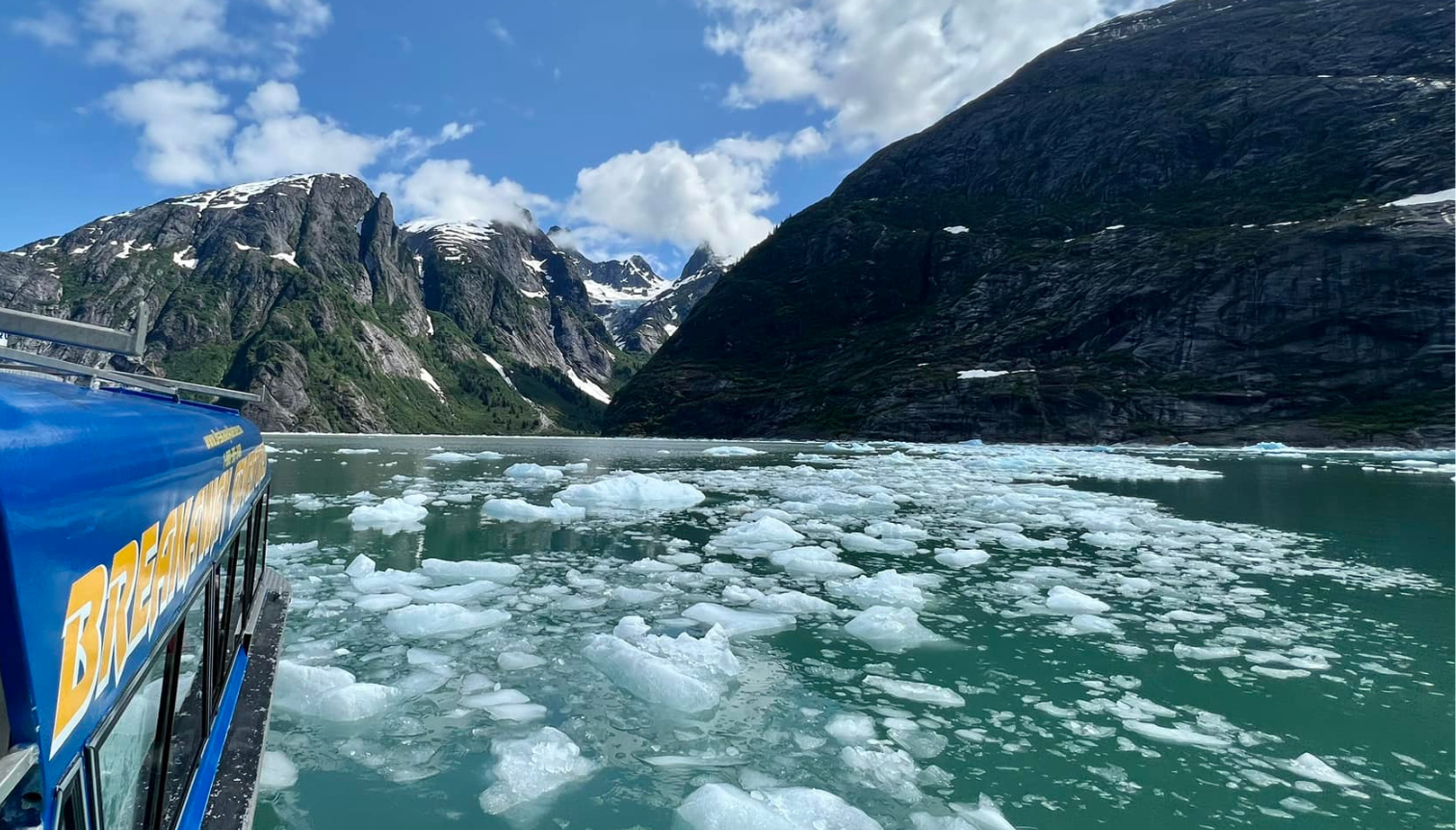
Wrangell's charter fleet is small: roughly five operators, including Breakaway Adventures, Alaska Charters & Adventures, and Night N Gale Charters, running six-passenger boats, some of them heated cabin cruisers in the 26-foot class. Rods, tackle, and bait are provided, and you buy your own fishing license and bring your own lunch. Trips are typically customizable day charters, and one local operator lists saltwater trips at around $350 per person; confirm current rates directly. Expect a mixed-bag day: lingcod jigging shares water and technique with rockfish, so most lingcod trips come home with a varied box.
| Period | What's happening | Notes |
|---|---|---|
| Mid-May – mid-June | Spring opener (recent years) | Aggressive fish on the rock piles; exact dates shift yearly |
| Mid-June – mid-August | Retention typically closed | Lingcod still hit rockfish jigs; they go back in the water |
| Mid-August – November | Fall opener (recent years) | Pairs well with coho and late halibut; weather windows shrink by October |
Seasons and limits change — always confirm current regulations with ADF&G before booking.
In recent years the Southeast sport season near Wrangell has been split: roughly mid-May to mid-June, closed mid-summer, then mid-August through November. Dates, size limits, and nonresident rules change annually and vary by management area, so check the current year's regulations before booking.
One local operator lists customizable saltwater day trips at around $350 per person, but rates vary by operator, trip length, and season, so get current quotes directly. Licenses, tips, and fish processing are extra.
Only if it's legal that day: recent rules allowed one lingcod per day within a tight slot (roughly 30–35 inches, plus an allowance for very large fish), with a small annual limit and required harvest record. Your captain will measure and call it, but confirm the current limits before you go.
Not really. Wrangell's nearby waters are better known for salmon, halibut, and rockfish; the reliable lingcod structure is a longer westward run toward Sumner Strait and beyond. Plan a full day if lingcod is the target.

wrangell, Alaska

wrangell, Alaska
wrangell, Alaska