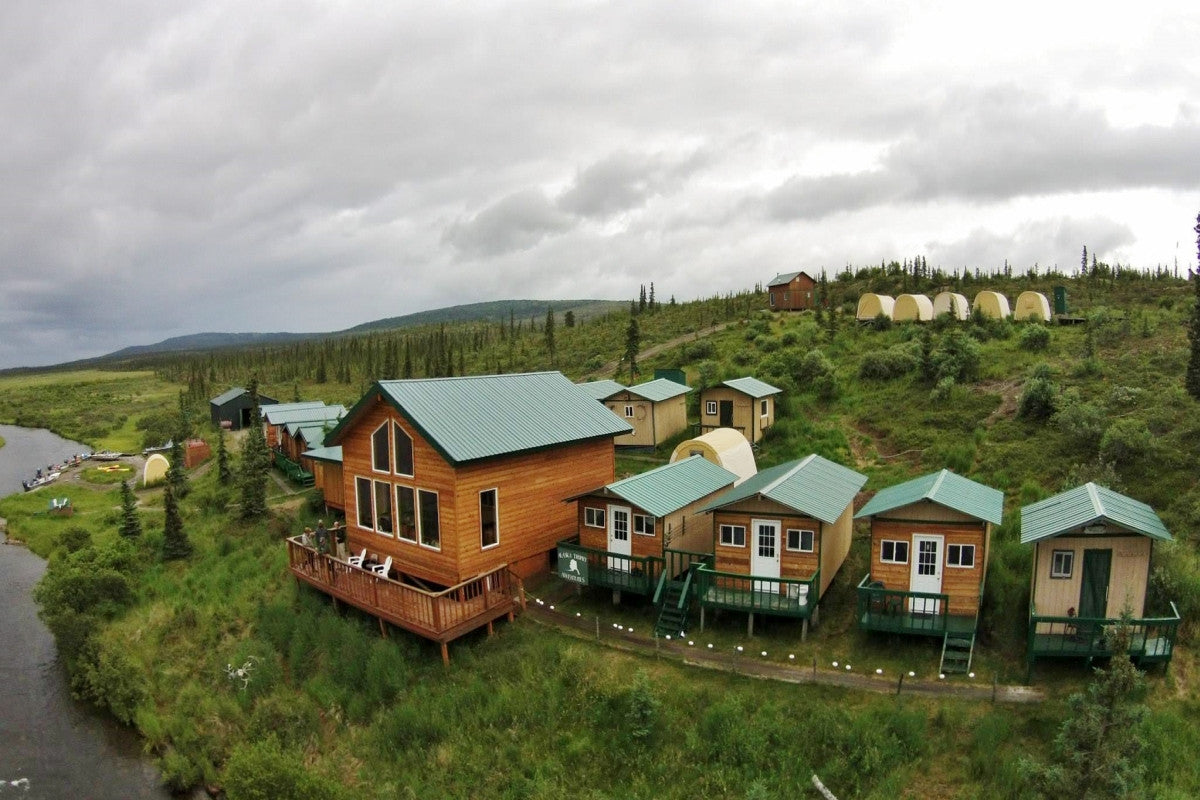
Lodge
king salmon, Alaska
Alaska Trophy Adventures Lodge (ATA)
5(333 · TripAdvisor)
Species Guide
The town named for the fish, on the edge of Bristol Bay
King Salmon is the air gateway to Bristol Bay, home of the largest wild sockeye salmon run left on Earth, averaging 45–60 million fish a year. The town sits right on the banks of the Naknek River, one of the region's major sport fisheries. There's no road here from the rest of Alaska: visitors arrive on the roughly one-hour commercial flight from Anchorage, and from King Salmon the lodges fan out by boat and floatplane to the Naknek, the Alagnak, Brooks Camp in Katmai, and beyond.
The fishing itself is compressed and intense. Kings, sockeye, and silvers each get their few weeks, the numbers during those weeks are staggering, and then it's over. Timing your trip to the run you want matters more here than almost anywhere else in Alaska.
The Naknek is the home water: a big, boat-friendly river right out the front door with a prolific sockeye fishery. By the first week of July, tens of thousands of sockeye can move up the river daily. Kings are the marquee fish of early summer, and by regulation king salmon sport fishing closes in all Bristol Bay waters after July 31. Silvers take over in August. Most operators here are all-inclusive lodges, several of them well-known names in Alaska fishing, from Naknek riverfront lodges to fly-out operations on the Alagnak and at Brooks. It's also possible to do King Salmon independently with in-town lodging and a day guide.
Recent Bristol Bay regulations gave the Naknek drainage relatively generous king limits: a daily limit of three kings 20 inches or longer, only one of them 28 inches or over, plus an annual drainage limit. Bristol Bay king management is an active regulatory topic, though, and rules can change or be restricted in-season, so confirm current regulations and emergency orders with ADF&G before your trip. Nonresidents fishing for kings also need the king salmon stamp on top of the regular license ($30/day, $145 annual).
The first kings and sockeye show in late June. Sockeye peak between the last week of June and just after mid-July; the king run peaks early-to-late July and closes by rule on July 31. The first silvers appear in the last days of July and the first week of August, build fast, and are near peak by mid-August. Local guides call August 7–21 the best silver window. If you want two runs in one trip, the anchors are the first half of July, for kings plus peak sockeye, and mid-August, for peak silvers.
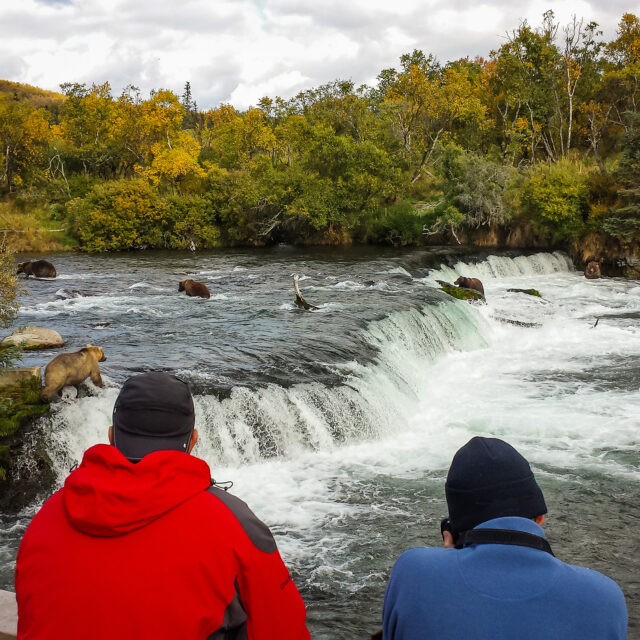
Most visitors book a lodge package: lodging, meals, guides, and local transport bundled, typically 4–7 days. Pricing we found ran from about $2,500 per person for a lower-cost 5-night/4-fishing-day package up to $5,000–$6,000 per person for a full week at many lodges, with premium fly-out lodges starting around $10,000, airfare not included. The Anchorage–King Salmon flight and your Lower 48 connection come on top, so budget the whole number before comparing against a road-system trip out of Soldotna or Homer. What you're buying is proximity: runs measured in millions of fish, floatplane access to water most anglers never see, and Katmai's brown bears next door.
| Period | What's happening | Notes |
|---|---|---|
| Late June | First kings and sockeye arrive | King fishing steady but not yet peak |
| Last week of June – mid-July | Sockeye run peaks | Tens of thousands of fish per day in the river at the height |
| Early – late July | King run peaks | King season closes in all Bristol Bay waters after July 31 by regulation |
| Aug 7 – 21 | Silver run at its best | First silvers show in early August; near peak by mid-month |
| Late August onward | Silver run tapers | Ask your lodge how late in the season they run trips |
Seasons and limits change — always confirm current regulations with ADF&G before booking.
By air — there's no road connection. Commercial flights from Anchorage take about an hour, and lodges arrange transfers from the King Salmon airport by van, boat, or floatplane depending on where they sit.
Lodge packages we found ranged from about $2,500 per person for a shorter budget package to $5,000–$6,000 per person for a typical all-inclusive week, with premium fly-out lodges from around $10,000, plus airfare to Anchorage and the Anchorage–King Salmon flight. Confirm current pricing with operators.
Late June through mid-July for the sockeye peak, early-to-late July for kings (the king season closes after July 31 throughout Bristol Bay), and roughly August 7–21 for the best silver fishing on the Naknek.
Yes. The town has commercial air service, in-town lodging, and day guides on the Naknek River, so an independent trip is possible. Most visitors still choose lodges for the guided access and fly-outs, but you don't have to spend lodge money to fish the Naknek.
king salmon, Alaska
king salmon, Alaska
king salmon, Alaska