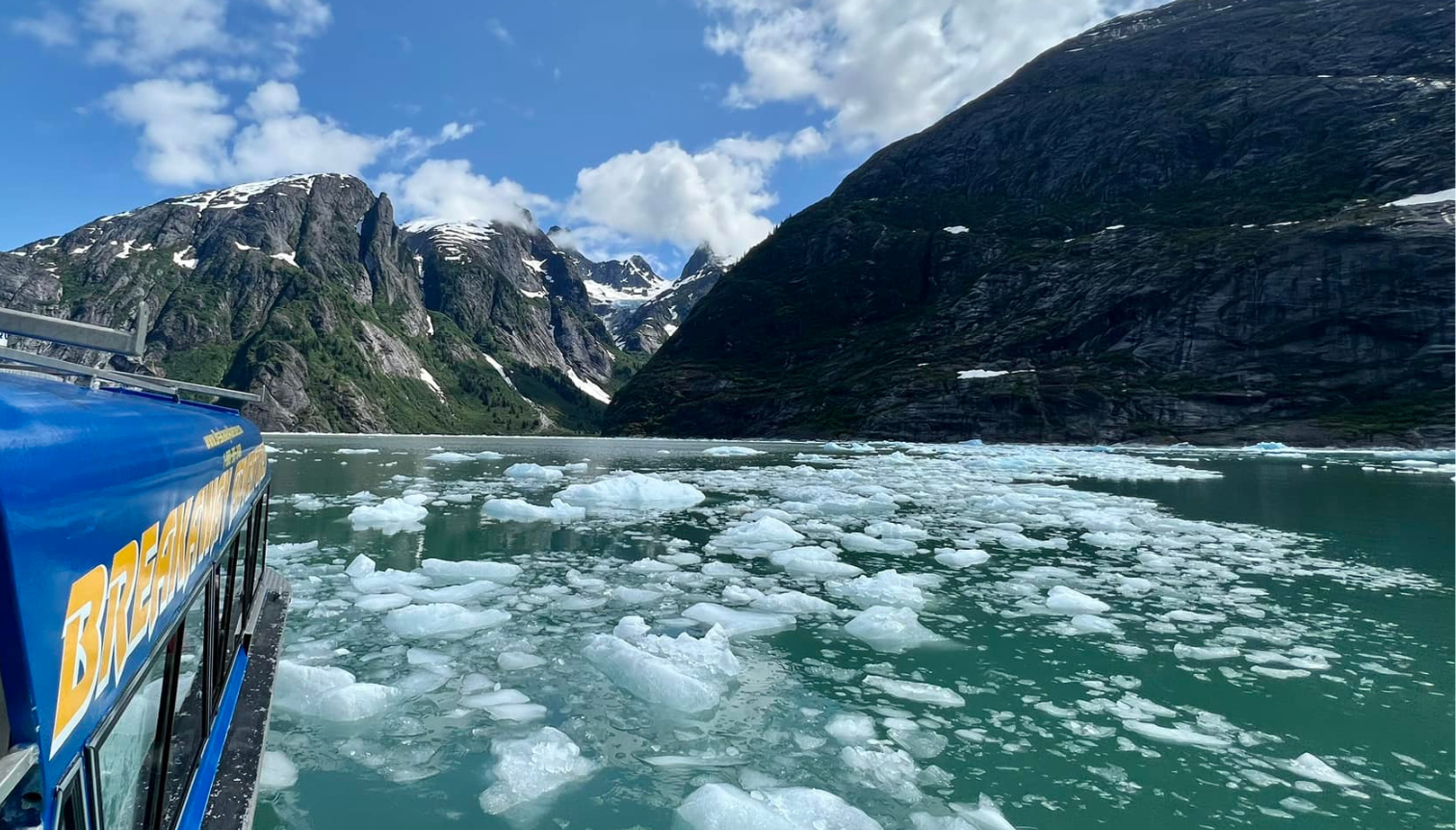
Wrangell sits on the Inside Passage in Southeast Alaska, and its calm, protected waters are a big part of why rockfish trips here are so approachable. You're jigging rocky structure in sheltered channels, not pounding across open ocean. Local charters typically fold rockfish into mixed saltwater days alongside halibut, salmon, and lingcod, running comfortable cabin boats in the 26-foot class.
Rockfish come in two regulatory flavors in Southeast Alaska: pelagic species like black rockfish, which school over structure and hit jigs readily, and demersal shelf species like the bright-orange yelloweye, which live deep, grow slowly, and are managed tightly. Knowing the difference matters, because the rules for each are very different.
Pelagic vs. yelloweye: what you'll catch
The everyday target is pelagic rockfish: black rockfish and their cousins (blue, dusky, dark), caught by dropping jigs onto rocky pinnacles and kelp edges. They're aggressive, great eating, and a reliable action fishery when halibut or salmon are slow. Lingcod often come off the same structure.
Yelloweye and other demersal shelf rockfish are a different story. They're long-lived and late-maturing, which makes them especially vulnerable to overharvest, and Southeast Alaska manages them with short nonresident seasons and one-fish limits. Many charters treat a yelloweye as a bonus fish rather than a target.
Seasons and bag limits
Fishing for pelagic rockfish is generally open year-round in Southeast Alaska, so you can target them whenever you can get on the water. In practice, most visitors fish them during summer charter trips. Recent rule changes cut the pelagic bag limit from five fish to three, with six in possession.
Demersal shelf rockfish, including yelloweye, have carried a limited nonresident season in recent years: July 1 through August 25, with a one-fish daily, possession, and annual limit, designed to protect yelloweye during their early-summer reproductive cycle.
A mixed day and the deepwater-release rule
Rockfish are usually part of a full-day mixed charter out of Wrangell's harbor: jigging for rockfish and lingcod, soaking baits for halibut, or trolling for salmon depending on tides and season. Boats are typically heated six-pack vessels, and the protected Inside Passage water is kind to anyone worried about seasickness.
One regulation shapes every trip: all vessels must carry a functional deepwater release mechanism, and any rockfish you release must be sent back down to the depth it was hooked or at least 100 feet. This isn't bureaucratic fussiness. ADF&G found 98 percent of yelloweye survive release at depth versus 22 percent released at the surface. Your captain handles the device; your job is to get the fish to the boat quickly.