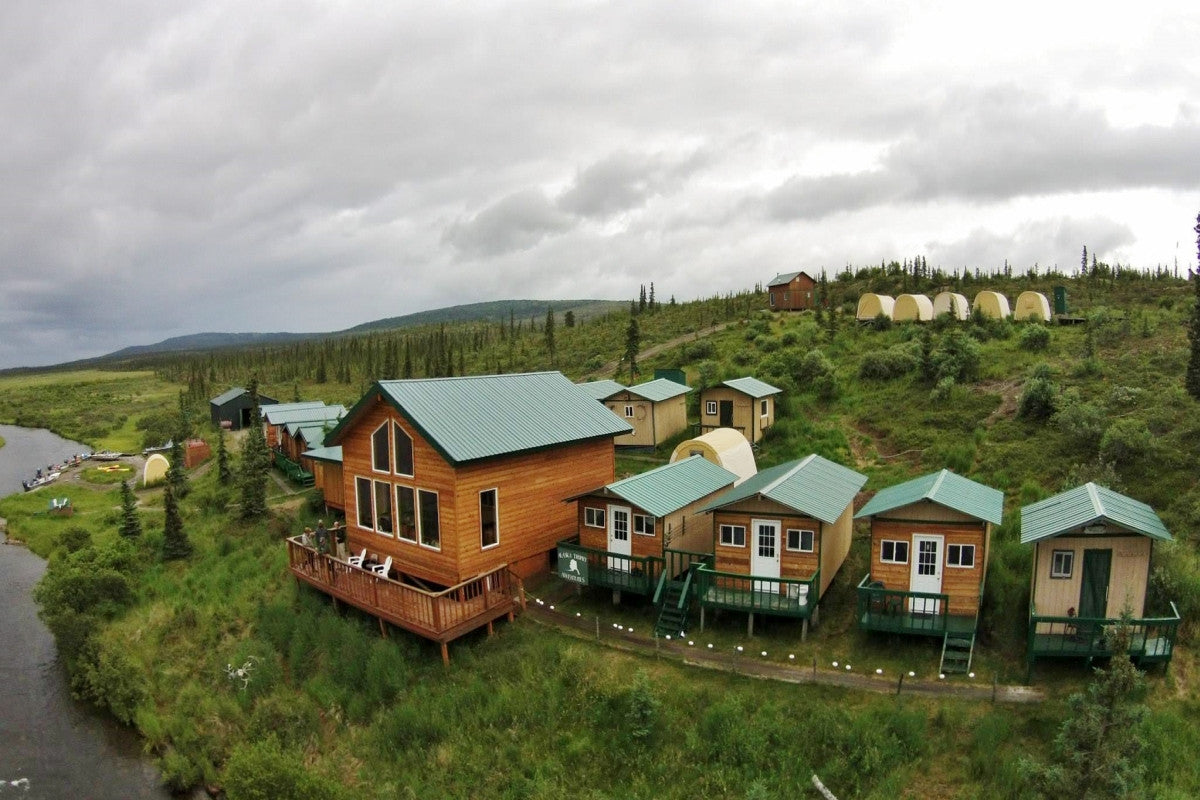
Lodge
king salmon, Alaska
Alaska Trophy Adventures Lodge (ATA)
5(333 · TripAdvisor)
Species Guide
One of the few rivers in North America that grows 30-inch rainbows
King Salmon sits on the Naknek River in Bristol Bay, about 300 air miles southwest of Anchorage, and it is the jumping-off point for what may be the most serious rainbow trout water in the state. Bristol Bay is Alaska's only designated trophy rainbow trout area, and the Naknek is part of a very small group of North American rivers that produce 30-inch rainbows with regularity. Some fish here have been aged at over 14 years.
This is not a put-and-take trout pond. The trophy rainbow fishery is managed essentially as catch-and-release, with special regulations, gear restrictions, and a spring spawning closure. You fly in on a commercial flight from Anchorage, and from King Salmon you can fish the home river by jet boat or fly out to well-known Katmai streams like the Brooks River and American Creek.
The Naknek drains Naknek Lake, and its rainbows live a lake-and-river life: they winter and summer in the lake system, then stack in the river when there's something to eat. What they eat is the engine of the fishery: first sockeye smolt heading to sea in early summer, then the eggs and decaying flesh of millions of spawning salmon in fall. That forage base is why the fish get so big.
Lodges in and around King Salmon range from upscale fly-out operations to simple do-it-yourself fish camps, and the river sees over 15,000 angler-days a year, guided and unguided combined. Fly-out days from local lodges reach Katmai streams such as the Brooks River, known for its bears, plus Idavain Creek and American Creek, all trophy trout water in their own right. Expect bears on all of them.
The key date is June 8. The main spawning reach of the Naknek, from the Rapids Camp area up to the lake outlet, has closed from April 10 through June 7 to protect spawning rainbows, so the river effectively re-opens for trout on June 8, when post-spawn fish feed hard on out-migrating sockeye smolt. Summer fishing shifts partly to the lake, and then from August into October the fall run comes: rainbows pour back into the river behind the spawning sockeye, gorging on eggs and flesh. September brings a push of very large, old fish out of Naknek Lake, and this is when the true trophies are caught. Verify current opening dates and closures with ADF&G before booking.
Most Naknek trout fishing is done from jet boats working defined beats of the river, with anglers wading gravel bars or casting from the boat. In June and July it's streamers and smolt patterns; in fall it's beads and egg patterns under indicators, flesh flies, and the local specialty: swinging big flies on two-handed rods, steelhead-style, for the September and October fish. Guides supply the technical gear; you bring waders. A nonresident Alaska fishing license runs $30 for a single day or $145 for the year. Trout fishing here is essentially all catch-and-release with restricted gear in the trophy waters, so plan on photos, not fillets. The salmon fishing handles the freezer box.
| Period | What's happening | Notes |
|---|---|---|
| April 10 – June 7 | Spawning closure on the upper river (Rapids Camp to lake outlet) | Closure protects spawning rainbows |
| June 8 – July | Opener; post-spawn rainbows chase sockeye smolt | Streamer and smolt-pattern fishing; strong early-season bite |
| August | Sockeye spawn begins; trout switch to eggs | Bead fishing picks up; fly-out creeks fish well |
| September – October | Big lake fish push into the river; eggs and flesh everywhere | Peak trophy window; swung flies and flesh patterns, steelhead-style |
Seasons and limits change — always confirm current regulations with ADF&G before booking.
This is one of a handful of North American rivers that produce 30-inch rainbow trout with regularity. The fish grow slowly but live long, some aged at over 14 years, on a diet of sockeye smolt, eggs, and flesh. Bristol Bay is Alaska's only designated trophy rainbow trout area.
Two windows. June 8 through July, when post-spawn rainbows feed on out-migrating sockeye smolt, and the trophy window of September through October, when the largest fish move out of Naknek Lake into the river to eat eggs and flesh behind the spawning salmon.
Plan on catch-and-release. The trophy rainbow fishery operates under special Bristol Bay regulations with gear restrictions, and the well-known trout water is managed for release; the upper river also closes April 10 – June 7 for spawning. Check current ADF&G regulations for exact rules on any water you fish.
By air. King Salmon is roughly 300 air miles southwest of Anchorage with regular commercial flights; there's no road connection. Lodges pick you up at the airport, and fly-out programs use floatplanes from the river and nearby lakes.
king salmon, Alaska

king salmon, Alaska